
A billboard that knew what you were driving.
In 2014, a digital billboard could not tell one car from another. Wild Ducks’ founder designed and built a system that recognised the make and model of approaching cars fast enough to change the billboard before they arrived. Media owners in Australia and the United States ran campaigns on it from 2015 to 2017.
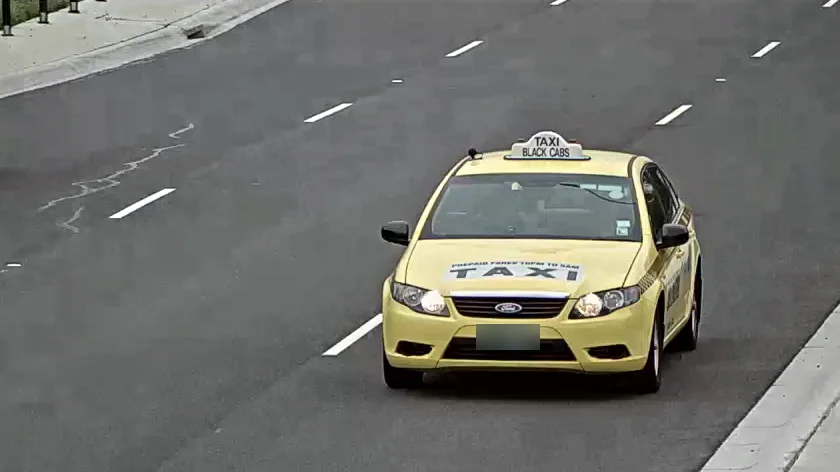
- 01Approaching car
- 02Detect + track
- 03Car front → make and model
- 04Billboard changes
The problem
Roadside advertising knew roughly how many cars went past and nothing about which ones. The pieces to change that existed separately: video analytics could find and follow a vehicle, and an early deep-learning model could name a car from a clean photograph. The hard part was joining them up quickly enough to act before the car reached the billboard.
The Wild Ducks part
Working with an Australian integration partner, Wild Ducks’ founder designed and built the recognition pipeline. IBM video analytics detected and tracked approaching vehicles from a camera a few hundred metres ahead of the billboard. Middleware cropped the front of each car, sent it to a deep-learning make-and-model model from a US start-up, and handed the answer to the billboard’s content system in about a second.
What was built
- Vehicle detection and tracking with IBM video analytics, connected to the camera management system at each site.
- Middleware that cropped each car’s front, called the recognition model, recorded every result and gave the billboard’s media player the latest vehicles through an API.
- Camera placement, lighting and accuracy measurement at roadside and airport sites.
- Extra training for the specific models each campaign was looking for.
Outcome
The first campaign ran for Porsche at Melbourne Airport in January 2015 and was reported as a world first. Ten days later Lexus launched smart billboards in five Australian cities on the same recognition pipeline. It then went to the United States: in 2016 for the Chevrolet Malibu, whose billboards in Chicago, Dallas and New Jersey answered drivers of rival cars, and in 2017 for Paramount’s Transformers: The Last Knight across eight cities, where the billboard told drivers whether their car was an Autobot or a Decepticon.
Built by Wild Ducks’ founder before the company was incorporated, with an integration partner who took it to market.
In the press
The media owners and agencies ran these campaigns, and the coverage names them. The recognition pipeline behind them is the part described above.
- oOh!media · Porsche car recognition billboard campaign (video), January 2015
- AdNews · World first for Porsche digital billboard, January 2015
- Marketing-Interactive · Lexus uses smart billboards to talk to motorists, January 2015
- Digital Signage Today · Chevrolet Malibu: you’re driving the wrong car, April 2016
- GlobeNewswire · Lamar and Paramount: Transformers: The Last Knight billboards, June 2017
The recognition model was the part you could buy. Making it work on a live road, at speed, in headlight glare, was the part that had to be built.